Delving into forbes hip hop list 2017 net worth, the richest hip-hop artists of 2017 managed to accumulate staggering fortunes, with entrepreneurship playing a significant role in their wealth accumulation. From Diddy’s spirits business to Jay-Z’s Armand de Brignac champagne brand, these artists leveraged their brands to diversify their income streams and create new revenue sources.
According to the 2017 Forbes Hip Hop List, the top 10 richest hip-hop artists were Jay-Z, Kanye West, Diddy, Drake, and Rick Ross, among others. These artists’ net worth is largely comprised of real estate holdings, art collections, and other valuable assets. The rise of streaming services such as Spotify and Apple Music has significantly impacted the net worth of hip-hop artists, with many capitalizing on the streaming boom to increase their wealth.
The 2017 Forbes Hip Hop List as a Reflection of the Industry’s Global Expansion

The 2017 Forbes Hip Hop List was a testament to the global reach of hip-hop music, with the inclusion of foreign artists like Drake and Stormzy reflecting the growing popularity of the genre worldwide. With a combined net worth of over $1 billion, these artists are a perfect illustration of the industry’s expansion beyond its traditional borders. As hip-hop continues to spread its influence globally, it has opened up a plethora of business opportunities for artists.
From endorsement deals with major brands to touring revenue from sold-out shows in international cities, the possibilities are endless. One of the most significant benefits of this global expansion is the increased exposure to new markets and demographics.
Increased Endorsement Deals
The global reach of hip-hop has created a surge in endorsement deals between artists and major brands. With the likes of Drake and Stormzy raking in millions from these deals, it’s clear that there’s a significant financial upside to being a global hip-hop artist. Brands are eager to tap into the cultural relevance and influence of hip-hop, and artists are reaping the benefits.
Take, for example, the partnership between Nike and Travis Scott in 2017. Travis Scott, an American rapper, collaborated with Nike to create a line of clothing and sneakers that was a huge success. The partnership not only generated significant revenue but also increased Scott’s global profile. This type of collaboration is a direct result of the industry’s global expansion and the subsequent growth of international markets.
Touring Revenue Opportunities
Another area where hip-hop artists are reaping the rewards of the industry’s global expansion is in touring revenue. With an increasing demand for live music in cities like London, Paris, and Tokyo, artists can now command top dollar for their performances. For instance, Stormzy’s 2017 UK and Ireland tour was a massive success, with fans clamoring to see one of the UK’s hottest acts perform live.
The tour generated significant revenue, with Ticketmaster reporting record-breaking sales for the shows. This type of success is a testament to the global appeal of hip-hop and the lucrative opportunities it presents.
Cultural Significance and Influence
The global expansion of hip-hop has also had a profound impact on the cultural landscape. The genre has become a unifying force, bridging geographical divides and cultural differences. In the UK, for example, Stormzy’s music has been credited with helping to popularize grime, a genre that has been a driving force in the country’s music scene. His influence can be seen in the increased recognition and appreciation of grime artists, both in the UK and internationally.
This type of cultural significance is a direct result of the industry’s global expansion and the subsequent growth of international markets.
Convergence of Music and Business
The intersection of music and business is where hip-hop’s global expansion has had its most significant impact. Artists are no longer just musicians; they are entrepreneurs, leveraging their fame and influence to create lucrative business ventures. Take, for example, the rise of hip-hop moguls like Jay-Z and Kanye West. These artists have not only built successful music careers but have also expanded into fashion, film, and entrepreneurship.
They have created lucrative business ventures that have further cemented their status as global hip-hop icons. In conclusion, the 2017 Forbes Hip Hop List is a reflection of the industry’s global expansion and the many opportunities it presents. With increased endorsement deals, touring revenue, cultural significance, and convergence of music and business, the future looks bright for hip-hop artists who are willing to take advantage of the industry’s global reach.
The Rise of Streaming and its Impact on Hip-Hop Artists’ Net Worth: Forbes Hip Hop List 2017 Net Worth
In 2017, the music industry witnessed a seismic shift with the rapid growth of streaming services like Spotify and Apple Music. This phenomenon has transformed the way artists reach their audience and earn revenue. Hip-hop artists were among the biggest beneficiaries of this trend, with many capitalizing on the streaming boom to increase their wealth.The impact of streaming on hip-hop artists’ net worth was evident in the 2017 Forbes Hip-Hop List.
Artists like Drake and Kendrick Lamar, who had already established themselves as streaming darlings, saw their net worth soar. According to Forbes, Drake’s net worth jumped to $75 million, while Kendrick Lamar’s increased to $82 million. These figures were largely driven by the success of their streaming revenue.
The Rise of Drake and Kendrick Lamar
Drake and Kendrick Lamar are exemplary cases of how hip-hop artists can dominate the streaming landscape and reap significant rewards. Both artists have been able to maintain a strong presence on streaming platforms, with a large following and consistent release of new music.According to Spotify, Drake’s 2016 album “Views” generated over 2.4 billion streams. This level of engagement translated into significant revenue for the artist, with estimates suggesting he earned over $50 million from streaming alone.
Kendrick Lamar’s critically acclaimed album “To Pimp a Butterfly” also saw impressive streaming numbers, generating over 1.5 billion streams on Spotify.
- Streaming Revenue: A Key Factor in Hip-Hop Artists’ Net Worth
- Per-Stream Revenue: A Lucrative Deal for Artists
- Synchronization Deals: A Boost to Streaming Revenue
- Affiliate Revenue: A Growing Source of Income for Artists
- The Future of Streaming and Hip-Hop
- Consulting with a financial advisor to optimize their tax strategy
- Setting up a trust fund or charitable foundation to shield their assets from taxes
- Claiming deductions for business expenses, such as travel and equipment costs
- Investing in tax-efficient investments, such as real estate and index funds
The rise of streaming services has transformed the way hip-hop artists earn revenue. With streaming revenue becoming a key factor in an artist’s net worth, it’s no surprise that artists like Drake and Kendrick Lamar have capitalized on this trend. The success of their music on streaming platforms has translated into significant earnings for the artists.
Streaming platforms like Spotify and Apple Music have introduced per-stream revenue models, where artists earn a fraction of a cent for each stream. While this may seem insignificant, the sheer volume of streams can add up to substantial earnings. According to some estimates, artists can earn up to $6.99 per 1,000 streams on Spotify.
Synchronization deals, which involve the use of music in television shows, commercials, and movies, have become a significant source of revenue for streaming artists. These deals can provide a significant boost to an artist’s streaming revenue, with some deals reportedly worth millions of dollars.
Affiliate revenue, generated through music-related merchandise and concert tickets, has also become a growing source of income for streaming artists. Artists who have built a strong following on streaming platforms can leverage their audience to sell merchandise and tickets, further increasing their earnings.
The rise of streaming services will likely continue to shape the music industry in the years to come. As streaming platforms become increasingly popular, hip-hop artists will need to adapt and evolve to stay ahead of the curve.
Streaming services have democratized the music industry, allowing artists to reach a global audience and earn significant revenue from their music.
Creating Multiple Income Streams

In the ever-changing landscape of the music industry, hip-hop artists have had to adapt and innovate to survive and thrive. One strategy that has proven effective is creating multiple income streams, allowing artists to diversify their financial portfolio and reduce dependence on a single source of income.This approach not only increases financial stability but also provides creative freedom and flexibility.
Successful hip-hop artists have employed various strategies to achieve this goal, and we’ll explore some of the most effective methods in this section.
Touring: Performing Live and Reaping Rewards
Touring is a crucial aspect of a hip-hop artist’s career, allowing them to connect with fans, showcase their music, and generate revenue through ticket sales. However, successful artists have taken it a step further by leveraging their tours to create additional income streams.For instance, Jay-Z’s Made in America festival, which debuted in 2012, has become a lucrative venture, generating millions of dollars in revenue each year.
The festival features a diverse lineup of artists, including hip-hop, rock, and R&B acts, and attendees can enjoy a range of activities, including music, food, and shopping.Similarly, Kanye West’s Yeezy Tour has been a masterclass in branding and merchandising, with the artist selling a wide range of Yeezy-branded merchandise, including clothing, shoes, and accessories. This strategy not only generates revenue but also helps to further establish the artist’s brand.
Recording Contracts: Negotiating Deals that Favor Artists
Traditional recording contracts can be restrictive and exploitative, but savvy artists have found ways to negotiate deals that work in their favor. One effective strategy is to secure advance payment for their music, which can provide a significant influx of cash and help to mitigate the financial risks associated with the music industry.For example, Drake’s 2013 contract with Warner Music Group reportedly included a $20 million advance, as well as a percentage of the profits from the sales of his music.
This deal not only generated significant revenue for Drake but also provided him with a level of creative control and autonomy that is rare in the music industry.Another strategy is to secure a percentage of the profits from licensing agreements, which can provide a steady stream of income from the use of an artist’s music in TV shows, movies, and commercials.
Entrepreneurial Ventures: Investing in Brands and Products
Entrepreneurial Ventures: Investing in Brands and Products
In addition to touring and recording contracts, many successful hip-hop artists have leveraged their influence and creative expertise to launch successful entrepreneurial ventures. This can include investing in brands and products, as well as creating and marketing their own lines of merchandise.Jay-Z’s Roc-A-Fella Records, founded in 1995, has been a highly successful venture, with a roster of artists that includes Kanye West, Rihanna, and Beyoncé.
The label has also been a launchpad for various business ventures, including clothing, jewelry, and wine.Similarly, Drake has invested in a range of successful ventures, including October’s Very Own, a clothing and accessories line that has become a popular destination for fashion-forward fans. He has also partnered with Nike to create a range of limited-edition sneakers, which have become highly sought after by collectors and sneaker enthusiasts.
Digital Ventures: Monetizing Online Presence, Forbes hip hop list 2017 net worth
The rise of social media and digital platforms has created new opportunities for hip-hop artists to monetize their online presence and create additional income streams. Successful artists have leveraged their massive followings to earn revenue through a range of digital ventures, including YouTube AdSense, merchandise sales, and sponsorships.For example, Drake’s YouTube channel has over 50 million subscribers, making him one of the most followed artists on the platform.
He earns significant revenue from AdSense, as well as from merchandise sales and sponsorships with major brands.Similarly, Cardi B has leveraged her massive following on Instagram to become a social media influencer, partnering with major brands to promote their products and services. She has also launched a lucrative line of merchandise, including clothing, accessories, and beauty products.
Real Estate and Business Investments: Diversifying Portfolios
In addition to creating multiple income streams through music and merchandise sales, many successful hip-hop artists have diversified their portfolios by investing in real estate and other business ventures. This can include purchasing properties, such as mansions and commercial buildings, or investing in businesses, such as restaurants and nightclubs.For example, Jay-Z has invested in a range of successful business ventures, including a chain of restaurants in New York City and a stake in the Brooklyn Nets.
He has also purchased a number of properties, including a stunning estate in the Hamptons and a penthouse apartment in Manhattan.Similarly, Drake has invested in a range of business ventures, including a production company and a clothing line. He has also purchased a number of properties, including a luxurious mansion in California and a trendy loft in Toronto.
The Challenges Facing Hip-Hop Artists in Managing Their Wealth

Managing wealth is a daunting task for anyone, especially in the entertainment industry where fame and fortune can be fleeting. For hip-hop artists, the pressures of maintaining a luxury lifestyle, coupled with tax liabilities and spending habits, can be a recipe for financial disaster. In an industry where the line between reality and fantasy is often blurred, it’s easy to get caught up in the high life, but for hip-hop artists, staying financially grounded is crucial.One of the primary challenges facing hip-hop artists is tax liabilities.
As their income increases, so does their tax bill, which can be a significant burden. According to the IRS, entertainers are considered self-employed and must pay self-employment taxes on their earnings, which can range from 15.3% to 35.5% of their gross income. This can be a significant drain on their finances, especially for artists who are still in their early stages of their careers.
Tax Planning Strategies
To mitigate the impact of tax liabilities, hip-hop artists can employ tax planning strategies such as:
These strategies can help hip-hop artists reduce their tax liability and keep more of their hard-earned money. By working with a financial advisor, artists can create a personalized tax plan that takes into account their unique financial situation and goals.
Sustainable Spending Habits
Another challenge facing hip-hop artists is managing their spending habits. The excesses of the entertainment industry can be seductive, and it’s easy to get caught up in the high life. However, maintaining a luxury lifestyle can be expensive, and artists must be mindful of their spending habits to avoid financial pitfalls. By adopting sustainable spending habits, hip-hop artists can ensure that their wealth lasts.
Examples of Successful Artists
Some hip-hop artists have successfully managed their wealth and maintained a sustainable lifestyle. Take Jay-Z, for example, who has been open about his financial struggles in the past. To get back on track, Jay-Z adopted a disciplined approach to his finances, including setting up a trust fund and hiring a financial advisor. By prioritizing his financial well-being, Jay-Z was able to build a successful business empire and maintain a level of wealth that has allowed him to give back to his community.
The Key to Financial Success
The key to financial success for hip-hop artists is to prioritize their financial well-being and adopt sustainable spending habits. By working with a financial advisor and creating a personalized tax plan, artists can mitigate tax liabilities and keep more of their hard-earned money. Additionally, by being mindful of their spending habits and investing in tax-efficient investments, artists can ensure that their wealth lasts.
By following the examples of successful artists like Jay-Z, hip-hop artists can achieve financial success and maintain a level of wealth that allows them to give back to their community.
A New Chapter for Hip-Hop: Trends and Predictions for the 2018 Forbes Hip Hop List

The hip-hop industry has seen a significant transformation in recent years, with the rise of streaming services and the emergence of new talent. As we look ahead to the 2018 Forbes Hip Hop List, it’s clear that the industry is entering a new chapter, marked by innovative business opportunities, changing revenue streams, and a growing global fan base.One of the most significant trends to watch in 2018 will be the increased importance of digital streaming in the hip-hop industry.
According to a report by the International Federation of the Phonographic Industry (IFPI), streaming services accounted for 46.8% of industry revenue in 2016, up from 22.4% in 2014. This shift has led to a rise in the number of streaming platforms and services, with new players like Apple Music and Spotify emerging as major players.
The Rise of New Artists and the Importance of Authenticity
The 2018 Forbes Hip Hop List is likely to feature a mix of established artists and new talent, including names like Lil Uzi Vert, Travis Scott, and Kendrick Lamar. However, the key to success in this new landscape is authenticity and a commitment to creating high-quality music that resonates with fans.According to a study by the music streaming service, SoundCloud, the most successful artists on the platform are those who have been able to build a strong connection with their fans through consistent releases, engaging with their audience on social media, and being true to their artistic vision.
Partnerships and Endorsements: New Business Opportunities for Hip-Hop Artists
The 2018 Forbes Hip Hop List will also highlight the growing importance of partnerships and endorsements in the hip-hop industry. According to a report by the market research firm, Nielsen, the global endorsement market is estimated to be worth $153.5 billion by 2020, with hip-hop artists like Kendrick Lamar and Drake leading the way.New business opportunities for hip-hop artists include partnerships with brands like Nike, Adidas, and Pepsi, as well as collaborations with other artists and producers.
However, with the rise of social media, authenticity and transparency will be key to success in this area.
The Impact of Social Media on the Hip-Hop Industry
The 2018 Forbes Hip Hop List will also highlight the growing influence of social media on the hip-hop industry. According to a report by the social media analytics firm, Hypebot, the average hip-hop artist has over 100,000 followers on Instagram, with top artists like Kendrick Lamar and Drake boasting millions.However, with the rise of social media comes the challenge of maintaining authenticity and staying true to one’s artistic vision.
Artists who are able to use social media effectively and build a strong connection with their fans will be well-positioned to succeed in the 2018 Forbes Hip Hop List.
New Business Models and Revenue Streams
Finally, the 2018 Forbes Hip Hop List will highlight the emergence of new business models and revenue streams in the hip-hop industry. According to a report by the music streaming service, Tidal, the most successful artists on the platform are those who are able to diversify their revenue streams through licensing, touring, and merchandise sales.New business models and revenue streams to watch in 2018 include the rise of subscription-based streaming services, the growth of live streaming and ticketing platforms, and the emergence of new marketing and branding opportunities.
Global Reach and the Future of Hip-Hop
The 2018 Forbes Hip Hop List will also highlight the growing global reach of hip-hop and the emergence of new markets and audiences. According to a report by the market research firm, Euromonitor International, the global hip-hop market is estimated to be worth $5.3 billion by 2020, with the Asian and Latin American markets growing rapidly.As the hip-hop industry continues to expand globally, it will be essential for artists to develop a deep understanding of their international fan base and to stay attuned to local trends and preferences.
FAQ Guide
Q: What was the net worth of Jay-Z in 2017?
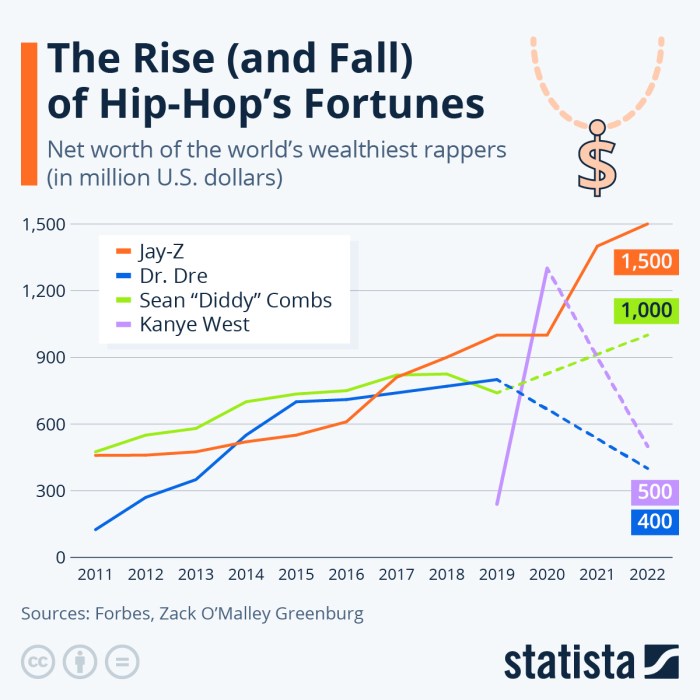
Jay-Z’s net worth in 2017 was estimated to be around $810 million.
Q: Which artist’s net worth increased significantly due to streaming?
Drake’s net worth increased significantly in 2017 due to the success of his streaming platforms and endorsements.
Q: What is the role of business partnerships in hip-hop artists’ wealth accumulation?
Successful business partnerships such as DJ Khaled and We the Best or Snoop Dogg and Doggystyle Records, have been crucial in hip-hop artists’ wealth accumulation.
Q: How have hip-hop artists invested their wealth?
Some notable investments include real estate, art collections, and commercial properties. For example, Jay-Z and Beyoncé invested in a significant art collection and own commercial properties.
