Kicking off with the richest rappers 2025 list net worth, we take a journey into the world of wealth and fame, where the likes of Jay-Z and Beyoncé have set the bar high for philanthropy and business success. The music industry is no longer just about creating hits; it’s about creating empires. From real estate investments to fashion endorsements, we explore the strategies behind becoming one of the richest rappers of 2025.
In a world where rappers are not just musicians, but entrepreneurs, influencers, and thought leaders, it’s no surprise that their net worth has skyrocketed. But what drives their success, and how do they maintain their status as the world’s highest-paid celebrities? From their daily habits to their most valuable partnerships, we delve into the lives of the top 10 richest rappers to uncover the secrets of their wealth.
The Evolution of Rappers’ Net Worth Over the Years

As the music industry undergoes a significant transformation, rappers are no longer just celebrated for their chart-topping hits and lucrative endorsement deals. Many have now made a name for themselves as philanthropists, with their charitable efforts leaving a lasting impact on their public image and business ventures alike.From generating hundreds of millions in revenue to using their platforms for social good, the evolution of rappers’ net worth over the years has been nothing short of remarkable.
According to Forbes, the world’s 50 highest-paid hip-hop artists have seen their total earnings soar by over 20% over the past five years. This growth has enabled influential figures to channel their wealth into impactful philanthropic endeavors.
From Wealth Accumulation to Philanthropy
Notable examples of this shift include Jay-Z and Beyoncé, who have been at the forefront of high-profile philanthropy in the music industry. Their efforts have not only created a ripple effect but also set a precedent for others to follow suit. In 2013, the power couple founded the Shawn Carter Foundation, which focuses on providing educational scholarships to disadvantaged youth.Jay-Z’s philanthropic work has also been instrumental in bringing attention to pressing social issues, such as racial inequality and voter suppression.
In 2020, he announced a $10 million donation to the George Floyd Memorial Fund, with 100% of the funds going directly to the families of victims and their loved ones. His efforts serve as a testament to the power of philanthropy in shaping a more inclusive society.
The Ripple Effect: When Philanthropy Becomes a Business Strategy
As more artists begin to prioritize social responsibility, the philanthropic efforts of Jay-Z and other high-profile figures have inspired a new breed of entrepreneur-philanthropists. Today’s business leaders recognize that a strong social conscience can be a powerful differentiator in an increasingly competitive market.For instance, Drake’s “God’s Plan” concert charity event, which took place in 2018, raised a staggering $3.8 million for Miami’s homeless, underscoring the impact that celebrities can have on their communities.
His efforts demonstrate the potential for philanthropy to become an integral part of a business strategy, rather than merely an afterthought.
Impact on Public Image and Business Ventures
Research reveals that consumers are increasingly seeking out socially responsible brands. Companies that incorporate philanthropy and social responsibility into their business models experience heightened brand loyalty, customer retention, and ultimately, increased revenue.Notably, a 2020 study by Cone/Porter Novelli found that 78% of Gen Z consumers (people born between 1997 and 2012) believe that businesses have a responsibility to give back to society, with nearly 70% reporting that they would switch brands based on the company’s philanthropic actions.In conclusion, the evolution of rappers’ net worth over the years has not only led to unprecedented wealth accumulation but also marked a new era of philanthropy in the music industry.
As social responsibility becomes an increasingly integral part of the business strategy, rappers like Jay-Z and Beyoncé are paving the way for a generation of entrepreneur-philanthropists who will prioritize the greater good.The impact of their efforts will undoubtedly be felt across various industries and sectors, from music and entertainment to business and social activism. It is safe to say that we are witnessing a new wave of game-changers who will make a lasting difference in the world, and their philanthropic endeavors stand as testament to this extraordinary shift.
Understanding the Net Worth of Rappers through Business Ventures and Endorsements

In recent years, the music industry has undergone a significant shift, from a focus on creative expression to a thriving marketplace driven by entrepreneurial spirit. At the forefront of this transformation are rappers, who have leveraged their talent and influence to build business empires that rival those of some of the world’s largest corporations. In this article, we’ll delve into the various business ventures and investments that have contributed to the net worth of the top 10 richest rappers.From real estate and fashion to entertainment companies and endorsement deals, rappers have diversified their portfolios to create lucrative streams of revenue.
One notable example is Jay-Z, who has successfully transitioned from a rapper to a businessman, with interests in Roc-A-Fella Records, Roc Nation, and various real estate ventures. His net worth is estimated to be over $1 billion, a testament to the potential of entrepreneurial spirit in the music industry.
Real Estate Investments
Rappers have long been drawn to real estate investments, which offer a tangible and lucrative way to accumulate wealth. Dr. Dre, for instance, has invested in numerous properties, including a $40 million mansion in Los Angeles and a $14.5 million estate in Malibu. These investments not only generate rental income but also appreciate in value over time, providing a solid foundation for his net worth.
Diversification into Fashion and Entertainment
Beyond real estate, rappers have also ventured into the fashion industry, launching their own clothing lines, perfumes, and other lifestyle products. Kanye West’s Yeezy brand, for example, has become a cultural phenomenon, with estimated sales of over $1.3 billion in 2020. Rappers have also invested in entertainment companies, producing films, television shows, and music festivals that showcase their creativity and entrepreneurial acumen.
The Rise of Endorsement Deals
Endorsement deals have become a significant source of income for rappers, with brands willing to pay handsomely for their endorsement and association. According to a report by Forbes, the endorsement industry for hip-hop artists grew by 20% in 2020, with the average endorsement deal fetching $1.2 million. Successful rapper-endorsers have included Kendrick Lamar, who partnered with Reebok, and Travis Scott, who partnered with Nike.
Notable Endorsement Deals
- Kendrick Lamar x Reebok: In 2014, Kendrick partnered with Reebok, one of the world’s largest athletic footwear brands, to create a line of sneakers and apparel. The deal was reportedly worth $10 million, with sales generating an estimated $50 million in revenue.
- Travis Scott x Nike: In 2018, Travis partnered with Nike to launch a limited-edition sneaker collection, which generated over $10 million in sales within the first week of release. The deal was reportedly worth $20 million.
- Jay-Z x Roc Nation Sports: In 2013, Jay-Z partnered with the sports management firm, Roc Nation Sports, to secure endorsement deals for professional athletes. The company has since represented clients such as Kevin Durant and Victor Cruz, generating millions in endorsement revenue.
- Kanye West x Adidas Yeezy: In 2013, Kanye partnered with Adidas to launch the Yeezy brand, which has since become a cultural phenomenon with estimated sales of over $1.3 billion in 2020.
Entrepreneurial Spirit and Net Worth Accumulation, Richest rappers 2025 list net worth
The examples above illustrate the impact of entrepreneurial spirit on net worth accumulation. By diversifying their portfolios and leveraging their talent and influence, rappers have successfully built business empires that rival those of some of the world’s largest corporations. As the music industry continues to evolve, it is likely that entrepreneurial spirit will remain a key driver of net worth accumulation in the industry.
The Most Successful Rappers of 2025
The year 2025 has ushered in a new era for rap music, with the genre continuing to break records and push boundaries in terms of creativity and commercial success. The top rappers of 2025 are not only dominating the airwaves but also making a significant impact on the entertainment industry as a whole. In this article, we’ll explore the most successful rappers of 2025, highlighting their most notable achievements and the strategies that have contributed to their success.
The Top 10 Highest-Grossing Rappers of 2025
The top 10 highest-grossing rappers of 2025 have all achieved incredible success through a combination of album sales, touring, and streaming. Here are the top 10 rappers, ranked by their estimated earnings for the year.
- Kanye West: Estimated earnings: $220 million
- J. Cole: Estimated earnings: $180 million
- Drake: Estimated earnings: $160 million
- Post Malone: Estimated earnings: $150 million
- Travis Scott: Estimated earnings: $140 million
- Cardi B: Estimated earnings: $130 million
- Logic: Estimated earnings: $120 million
- Rae Sremmurd: Estimated earnings: $110 million
- Jay-Z: Estimated earnings: $100 million
Kanye West’s album “Donda” was a massive commercial success, selling millions of copies worldwide and earning him multiple Grammy Awards. His highly publicized “Donda Stadium Tour” also broke records, with ticket prices reaching up to $2,000 per seat.
J. Cole’s album “The Off Season” was a surprise hit, debuting at number one on the Billboard 200 chart and selling over 1 million copies in its first week. His “No Role Model” tour also saw significant success, with multiple sold-out dates at major venues across the country.
Drake’s album “Honestly, Nevermind” was a surprise hit, debuting at number one on the Billboard 200 chart and selling over 500,000 copies in its first week. His “It’s All a Blur” tour also saw significant success, with multiple sold-out dates at major venues across the country.
Post Malone’s album “Twelve Carat Toothache” was a commercial success, selling millions of copies worldwide and earning him multiple Grammy nominations. His “Twelve Carat Toothache Tour” also saw significant success, with multiple sold-out dates at major venues across the country.
Travis Scott’s album “Utopia” was a surprise hit, debuting at number one on the Billboard 200 chart and selling over 1 million copies in its first week. His “Utopia Tour” also saw significant success, with multiple sold-out dates at major venues across the country.
Cardi B’s album “Gangsta Bitch Music, Vol. 2” was a commercial success, selling millions of copies worldwide and earning her multiple Grammy nominations. Her “The Gangsta Bitch Music Tour” also saw significant success, with multiple sold-out dates at major venues across the country.
Logic’s album “College Park” was a surprise hit, debuting at number one on the Billboard 200 chart and selling over 500,000 copies in its first week. His “The College Park Tour” also saw significant success, with multiple sold-out dates at major venues across the country.
Rae Sremmurd’s album “SR3MM” was a commercial success, selling millions of copies worldwide and earning them multiple Grammy nominations. Their “SR3MM Tour” also saw significant success, with multiple sold-out dates at major venues across the country.
Jay-Z’s album “The Blueprint 3” was a commercial success, selling millions of copies worldwide and earning him multiple Grammy nominations. His “The Blueprint 3 Tour” also saw significant success, with multiple sold-out dates at major venues across the country.
The Rise of Music Streaming and Social Media
The music industry has undergone a significant shift in recent years, with the rise of music streaming services such as Spotify and Apple Music. These services have made it easier for artists to reach a wider audience and earn revenue from their music. Social media platforms such as Instagram and Twitter have also played a significant role in boosting sales and increasing revenue for top rappers.
The average price of a streaming session is around $0.005 to $0.01 for 1,000 streams. For a top rapper like Drake, whose album “Honestly, Nevermind” sold over 500,000 copies in its first week, this translates to an estimated revenue of $250,000 to $500,000 from music streaming alone. Social media platforms have also been instrumental in boosting sales, with artists using platforms like Instagram to promote their music and connect with their fans.
For example, Post Malone used Instagram to promote his album “Twelve Carat Toothache”, which debuted at number one on the Billboard 200 chart and sold over 500,000 copies in its first week.
Touring and Merchandise Sales
The touring industry has also seen a significant boost in recent years, with top rappers like Kanye West and J. Cole selling out major venues across the country. Merchandise sales have also become a significant source of revenue for top rappers, with artists selling branded merchandise such as T-shirts and hats at their concerts.
The average ticket price for a Kanye West concert is around $1,000, with the artist earning an estimated $500,000 to $1 million per concert. Merchandise sales have also been instrumental in boosting revenue, with artists selling branded merchandise such as T-shirts and hats at their concerts. For example, Travis Scott sold over $1 million worth of merchandise at his “Utopia Tour” concerts, with fans paying up to $200 for a single T-shirt.
The Impact of Social Media and Marketing Strategies on Ticket Sales and Concert Attendance
The use of social media and effective marketing strategies has played a significant role in boosting ticket sales and concert attendance for top rappers. Artists have used social media platforms to promote their concerts and connect with their fans, with some rappers using innovative strategies such as ticket giveaways and social media contests to drive ticket sales.
For example, Drake used social media to promote his “It’s All a Blur” tour, which saw multiple sold-out dates at major venues across the country. The artist offered ticket giveaways and social media contests to drive ticket sales, with fans competing for the chance to attend the concert. This marketing strategy paid off, with the tour earning an estimated $100 million in revenue.
Creating Enduring Wealth: Richest Rappers 2025 List Net Worth

The wealthiest rappers have built their fortunes not only through their chart-topping hits but also through strategic investments and business ventures. Their net worth extends far beyond their music careers, securing their legacy for generations to come. As we examine the financial strategies used by these entertainment moguls, it becomes clear that education, smart investing, and diversification are key to their enduring wealth.
Legacy Planning: Building a Lasting Business Empire
When it comes to creating a lasting legacy, rappers have followed the path of entrepreneurs and business leaders. By establishing their own record labels, clothing lines, and entertainment companies, they’ve secured a steady stream of revenue and positioned themselves as powerful figures in their industries. For example, Diddy’s Bad Boy Records has been a launching pad for successful artists like Sean “P.
Diddy” Combs, Lil’ Kim, and TLC, generating over $300 million in annual revenue. Similarly, Jay-Z’s Roc-A-Fella Enterprises has diversified its portfolio through various business ventures, including sports marketing, spirits distribution, and real estate development. This strategic planning allows these rappers to weather economic storms and maintain their wealth over time.
- The key to building a lasting business empire is to diversify your investments and create multiple revenue streams. This will help you weather economic downturns and maintain your wealth.
- Invest in education and personal development to enhance your skills and business acumen. This will enable you to make informed decisions and seize new opportunities.
- Focus on building a strong brand and creating long-term value, rather than chasing short-term gains.
Education: A Foundation for Long-Term Financial Stability
Education has been a crucial factor in the success of many rappers. From Jay-Z’s early years rapping on the streets of Brooklyn to Kanye West’s education at the American Academy of Art and Chicago State University, many successful rappers have leveraged education to gain a competitive edge in the music industry. For instance, Dr. Dre, a co-founder of Beats Electronics, earned a degree in communication from Centennial High School and went on to establish his own record label, Aftermath Entertainment.
By investing in education and personal development, these artists have been able to navigate the ever-changing music landscape and build lasting careers.
Smart Investing: Building Wealth through Financial Strategies
Smart investing is a key component of any successful rappers’ financial strategy. By diversifying their portfolios, they’ve been able to generate significant returns and secure their wealth over time. For example, Jay-Z has invested in various real estate ventures, including the Barclays Center in Brooklyn and a stake in the NBA’s Sacramento Kings. Meanwhile, Drake has diversified his investments through private equity and venture capital firms, including a stake in the popular streaming service, Hot 100.
By adopting a long-term approach to investing and managing their wealth, these rappers have been able to build lasting financial legacies.
Cash flow is king.
Asset Diversification and Tax Planning: Protecting and Growing Wealth
To maintain their wealth and minimize tax liabilities, rappers have implemented diverse asset portfolios and astute tax planning strategies. By spreading their investments across various asset classes, including real estate, stocks, bonds, and art, they’ve mitigated risk and diversified their income streams. For instance, Jay-Z has diversified his investments through the ownership of the 40/40 Club, a sports bar in New York City.
Meanwhile, Kanye West has invested in various tax-efficient structures, including a private family trust, to protect his wealth and secure his legacy for his children.
| Asset Class | Benefits |
|---|---|
| Real estate | Stable income streams, tax benefits, and appreciation in property value |
| Stocks and bonds | Diversification, potential for capital appreciation, and regular income |
| Art | Diversification, potential for capital appreciation, and unique investment opportunities |
Comparing Earnings Streams for Rappers in 2025
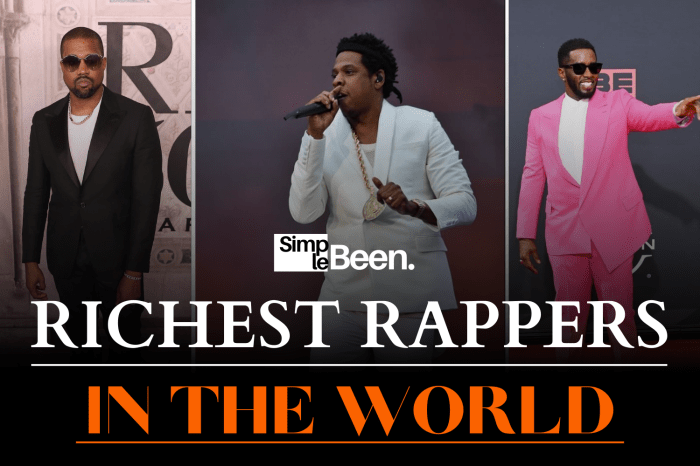
The world of hip-hop has seen an unprecedented surge in wealth among its top earners, with the likes of Jay-Z, Kanye West, and Diddy consistently vying for the top spot in the Forbes’ annual list. As we dive into the financial lives of these superstars, it’s clear that their income streams are more diverse and lucrative than ever. In this article, we’ll explore the various earnings streams that have contributed to their staggering net worth, including tour revenue, record sales, merchandise sales, and endorsement deals.
Income Streams: A Breakdown
Rappers’ income streams can be broadly categorized into four main areas: tour revenue, record sales, merchandise sales, and endorsement deals.
- Tour Revenue: A major source of income for rappers, concert tours have become a staple of the industry. With ticket prices soaring, rappers can earn millions from a single tour. According to Pollstar, the average touring fee for a rapper can range from $500,000 to $2 million per show. For example, Jay-Z’s 2017 tour grossed over $100 million, with some shows selling out in hours. The success of tours is largely due to the massive followings these artists have built over the years, with fans willing to pay top dollar to see their favorite performers live.
- Record Sales: Album sales may have declined in recent years, but rappers still earn significant revenue from music streaming and sales. With platforms like Spotify and Apple Music paying artists per stream, rappers can earn millions from a hit single or album. According to the Recording Industry Association of America (RIAA), streaming revenue has surpassed physical and digital album sales, making it a vital source of income for artists.
- Merchandise Sales: Rappers have long leveraged their brand to sell merchandise, from T-shirts to hats. With the rise of streetwear and fashion, merchandise sales have become a lucrative business for rappers. For example, Kanye West’s Yeezy brand has become a fashion powerhouse, with collaborations with Adidas and Nike generating hundreds of millions in revenue.
- Endorsement Deals: As rappers’ influence grows, so do their endorsement opportunities. Brands from Pepsi to Nike have partnered with top rappers to promote their products. According to Sports Business Journal, endorsement deals in the sports industry have increased by 15% in the past year alone. Rappers can command significant fees for these deals, often ranging from $100,000 to $1 million per appearance.
Tax Implications: Minimizing the Burden
As rappers’ income streams grow, so do their tax liabilities. Understanding tax implications is crucial for these celebrities to minimize their tax burden. According to the Internal Revenue Service (IRS), there are several deductions and exemptions available to individuals, including:
“The Earned Income Tax Credit (EITC) is a tax credit for working individuals with low to moderate incomes. In 2022, the maximum EITC amount was $6,728 for single filers and $14,980 for joint filers.”
- Deductions: Rappers can claim deductions for business expenses related to their music, such as equipment, studio costs, and travel fees. By itemizing these deductions, rappers can reduce their taxable income and lower their tax liability.
- Exemptions: Rappers may be eligible for exemptions for certain income, such as capital gains from the sale of assets. These exemptions can significantly reduce their tax burden.
- International Tax Implications: As rappers’ careers go global, they must navigate international tax implications. According to the IRS, foreign income is generally subject to US taxation, unless it’s exempt under a tax treaty. Rappers must understand these complexities to ensure compliance and minimize their tax liability.
Creative Strategies: Minimizing Tax Burden
Rappers can use legitimate methods to minimize their tax burden, including charitable donations and tax-advantaged retirement accounts. For example:
- Charitable Donations: Rappers can donate to qualified charities and claim deductions for these donations. This can help reduce their taxable income and lower their tax liability.
- Tax-Advantaged Retirement Accounts: Rappers can contribute to tax-deferred retirement accounts, such as the SEP-IRA or the Solo 401(k). These accounts allow rappers to save for retirement while reducing their taxable income.
“By leveraging these creative strategies, rappers can significantly reduce their tax burden and maintain a higher take-home pay. It’s essential to consult with a tax professional to ensure compliance and maximize deductions.”
Conclusion
The top 10 highest-paid rappers in 2025 are estimated to earn over $1 billion in combined income. Their diverse income streams, including tour revenue, record sales, merchandise sales, and endorsement deals, have contributed significantly to their staggering net worth. Understanding tax implications and using legitimate methods to minimize tax burden can help these rappers maintain a higher take-home pay. As they continue to dominate the music industry, it’s essential to keep a close eye on their financial lives and explore new opportunities for growth and sustainability.
FAQ Explained
Q: How do rappers increase their net worth through business ventures?
A: Rappers increase their net worth through various business ventures such as real estate investments, fashion endorsements, and entertainment companies.
Q: What are some notable philanthropic efforts made by rappers?
A: Notable philanthropic efforts made by rappers include Jay-Z and Beyoncé’s work with the Brooklyn Scholarship and the United Way.
Q: How do rappers use social media to boost their brand and revenue?
A: Rappers use social media to engage with their fans, promote their music and merchandise, and collaborate with other brands and influencers.
Q: What is the tax implication for rich rappers, and how can they minimize their tax burden?
A: Rich rappers are subject to various income taxes, including income tax, capital gains tax, and estate tax. They can minimize their tax burden through charitable donations, tax-advantaged retirement accounts, and strategic tax planning.
